


Mesotherapy for Hair Loss: Professional Treatment Options in Fort Wayne
For many, hair loss feels like an unwelcome reality that chips away at confidence and self-esteem, making the search for an effective hair loss treatment a priority. But what if there were a minimally invasive, cutting-edge solution that could help restore not just your hair but also your sense of self? Enter mesotherapy for hair loss, a revolutionary treatment gaining traction for its ability to breathe life back into thinning hair.
Mesotherapy for hair loss is a non-surgical treatment that involves depositing nutrients into the scalp to reduce hair loss and promote new hair growth.
This guide is for anyone experiencing hair loss or thinning hair who is considering mesotherapy as a treatment option. We will cover what mesotherapy is, how it works, its benefits, who it is suitable for, what to expect during treatment, and important safety considerations.
Let’s dive into the science, benefits, and what you can expect from this breakthrough hair regrowth treatment. Whether you’re battling genetic hair loss, alopecia areata, stress-induced shedding, or simply looking for a boost in hair health, mesotherapy might just be the game-changer you’ve been searching for.
What is Hair Loss Mesotherapy?
Hair mesotherapy is a non-invasive procedure used to treat hair problems such as hair loss and thinning hair. Hair mesotherapy can reduce hair loss and promote new hair growth.
Mesotherapy for hair loss involves delivering a customized blend of peptides, vitamins, minerals, amino acids, and other bioactive nutrients into the scalp to support the hair follicles and address factors that contribute to thinning.The goal is to nourish the scalp, improve blood circulation, and stimulate dormant hair follicles to encourage regrowth.
Benefits of Hair Loss Mesotherapy
Mesotherapy offers several benefits for individuals experiencing hair loss. Hair mesotherapy can improve blood circulation to the scalp and strengthen hair follicles. Some of the key advantages of this treatment include:
Stimulates Hair Growth
By depositing growth factors, vitamins, and amino acids directly into the scalp, mesotherapy helps to stimulate hair growth. This targeted approach ensures that the hair follicles receive the essential nutrients they need to thrive.
Improves Hair Density
Nourishing the hair follicles with a rich blend of peptides and nutrients can significantly improve hair density. This results in denser, thicker, healthier-looking hair that boosts confidence and self-esteem.
Reduces Hair Loss
Mesotherapy strengthens weakened hair follicles, helping to reduce hair loss. By promoting a healthier scalp environment, it supports the natural hair growth cycle and minimizes shedding.
Minimally Invasive
One of the standout features of mesotherapy is that it is a non-surgical treatment. This means minimal discomfort and no downtime, allowing you to return to your daily activities almost immediately.
Customizable
Mesotherapy treatments can be tailored to meet individual needs. Whether your hair loss is due to hormonal imbalances, poor nutrition, or other factors, the treatment can be customized to address your specific concerns effectively.
Suitable Candidates for Hair Loss Mesotherapy
Mesotherapy is a suitable treatment for individuals experiencing hair loss due to a range of factors, including:
Androgenetic Alopecia: For those dealing with male or female pattern baldness, mesotherapy can help stimulate hair growth and reduce hair loss. By targeting the hair follicles directly, it addresses the root causes of androgenetic alopecia.
Thinning Hair: If you are experiencing thinning hair, mesotherapy can improve hair density and promote hair growth. The treatment nourishes the scalp and strengthens the hair follicles, leading to fuller, thicker hair.
Hair Loss Due to Stress or Diet: Stress and poor diet can lead to hair loss by depriving the hair follicles of essential nutrients. Mesotherapy can help nourish the hair follicles and promote hair growth, counteracting the effects of stress and dietary deficiencies.
Hair Loss Due to Chronic Illness: Chronic illnesses can impact hair health, leading to thinning and hair loss. Mesotherapy can stimulate hair growth and reduce hair loss in individuals with chronic conditions, providing a supportive treatment to improve hair density and overall hair health.
How Does Mesotherapy for Hair Loss Work?
The procedure uses a specialized device to deliver the nutrient-rich solution into the mesoderm layer of the skin, just beneath the surface. This targeted delivery ensures that the hair follicles receive the nutrients and growth factors they need to function optimally.
Improves Scalp Health: Nourishes the scalp with essential nutrients and hydrates the skin.
Stimulates Hair Follicles: Activates dormant follicles to promote new hair growth.
Reduces Hair Thinning: Helps slow or stop hair shedding by improving blood flow to the scalp.
Customizable Treatment: Solutions can be tailored to address specific causes of hair loss, such as hormonal imbalances or poor nutrition.
Non-Surgical: A safe and minimally invasive alternative to hair transplant surgery.
Boosts Confidence: Results in denser, thicker, healthier-looking hair, restoring self-esteem.
What to Expect During a Hair Loss Mesotherapy Treatment
Mesotherapy is a minimally invasive, in-office procedure designed to stimulate hair growth and improve scalp health.
Here's a step-by-step guide on what you can expect during the treatment:
1. Initial Consultation
Assessment: A hair regrowth specialist will evaluate your hair loss pattern, scalp condition (using a high definition microscope), and medical history to determine if mesotherapy is the right treatment for you.
Custom Plan: A personalized formula is created, often including peptides, vitamins, minerals, amino acids, and growth factors tailored to your specific needs.
2. Preparation for Treatment
Cleansing the Scalp: lf needed, the scalp is thoroughly cleansed and disinfected to ensure a sterile treatment area.
3. The Procedure
Process: Using a medical grade mesotherapy gun, the specialist deposits small amounts of the nutrient-rich solution (cocktails) into the mesoderm (the middle layer of the skin) in the targeted areas of the scalp.
Depth and Technique: The deposits are typically administered at a depth of .3 millimeters, ensuring the nutrients reach the hair follicles.
Time: The procedure usually takes 20–30 minutes, depending on the size of the treatment area.
4. Aftercare
Minimal Downtime: There’s little to no downtime, and you can return to your daily activities immediately.
Avoid Hair Products: For the first 24–48 hours, avoid washing your hair or using styling products to allow the scalp to absorb the nutrients fully.
Sun Protection: Protect your scalp from direct sun exposure for a few days.
5. Frequency of Treatments
Initial Phase: Most patients require at least 10 sessions, spaced 2 weeks apart, to achieve noticeable results.
6. Results and Expectations
Gradual Improvement: You may start noticing reduced hair loss and improved hair quality within the first few sessions, with visible regrowth typically appearing after 2–3 months.
Consistency Matters: Regular sessions and following a comprehensive hair care routine can maximize results.
Side Effects and Contraindications
While mesotherapy is generally a safe and effective treatment, there are some potential side effects and contraindications to be aware of.
Common Side Effects
Pain or Discomfort: Some individuals may experience mild pain or discomfort during or after the treatment. This is usually temporary and can be managed with over-the-counter pain relief if necessary.
Redness or Swelling: It is common to experience some redness or swelling at the treatment site. These side effects typically subside within a few hours to a couple of days.
Allergic Reactions: Although rare, some individuals may be allergic to the ingredients used in the mesotherapy treatment. It is important to discuss any known allergies with your practitioner before starting the treatment.
Who Should Avoid Mesotherapy
Pregnancy or Breastfeeding: Mesotherapy is not recommended for individuals who are pregnant or breastfeeding due to the lack of sufficient studies on its safety during these periods.
Certain Medical Conditions: Individuals with certain medical conditions, such as uncontrolled diabetes, blood clotting disorders, or active skin infections, should consult their doctor before considering mesotherapy. It may not be suitable for those with autoimmune disorders or severe allergies.
Androgenetic Alopecia
Androgenetic alopecia, commonly known as male or female pattern baldness, is the most prevalent cause of hair loss. This genetic condition is characterized by a progressive thinning of hair, typically in a predictable pattern.
In men, androgenetic alopecia often begins with a receding hairline and thinning at the crown, eventually leading to partial or complete baldness.

In women, androgenetic alopecia typically manifests as overall thinning, especially at the crown and part line, without a receding hairline.

The condition is linked to hormonal changes and genetic predisposition, primarily involving a hormone called dihydrotestosterone (DHT), a derivative of testosterone. DHT affects the hair follicles by shrinking and miniaturizing them, resulting in shorter, finer, and less pigmented hair over time. Eventually, the follicles may stop producing hair altogether.
While androgenetic alopecia is a natural part of aging for many, it can be distressing and significantly impact self-esteem. Fortunately, advances in hair regrowth treatments, such as mesotherapy, offer hope for slowing or even reversing its effects. By addressing the root causes and nourishing the scalp, these therapies aim to promote healthier, denser, and thicker hair growth.
Mesotherapy offers an effective non-invasive solution that is gaining popularity over a procedure such as hair transplantation that involves relocating the patient's own hair follicles to balding areas. Hair transplantations are very expensive and require a significant time to heal.
Key Characteristics
In Men: Androgenetic alopecia typically begins with a receding hairline and thinning at the crown, which eventually leads to partial or complete baldness in some cases.
In Women: It usually manifests as diffuse thinning across the scalp, with a noticeable widening of the part line, but rarely progresses to complete baldness.
Causes:
Hormonal Factors
Linked to androgens, particularly dihydrotestosterone (DHT), which can shrink and miniaturize hair follicles and shorten the hair growth cycle.
Genetic Predisposition
Passed down from either parent, making the scalp more sensitive to androgens.
Symptoms
Gradual thinning of hair.
Shorter, finer, weaker, and lighter hair strands.
Scalp becoming more visible over time.
Alopecia Areata
Alopecia areata is an autoimmune condition that causes sudden hair loss, often resulting in small, round, patchy bald spots on the scalp. Unlike androgenetic alopecia, which progresses gradually, alopecia areata can develop quickly, sometimes overnight, and may affect people of all ages and genders.
This condition occurs when the body's immune system mistakenly attacks healthy hair follicles, causing them to shrink and stop producing hair. While the exact cause is unknown, it is believed to be triggered by a combination of genetic predisposition and environmental factors, such as stress, illness, or other autoimmune disorders.
In some cases, hair may grow back on its own, but for others, alopecia areata can become chronic or more extensive, leading to complete hair loss on the scalp (alopecia totalis) or the entire body (alopecia universalis).
Although there is currently no cure for alopecia areata, various treatments such as corticosteroids, topical immunotherapy, and innovative approaches like mesotherapy, can help manage symptoms and stimulate hair regrowth. For those affected, early intervention and support can make a significant difference in coping with this unpredictable condition.
Key Characteristics
In Men: Alopecia areata often presents as sudden, round bald patches on the scalp, beard, or other areas of body hair. These patches may merge or expand over time, and while the condition can stabilize, it might also progress to more extensive hair loss, such as alopecia totalis (loss of all scalp hair) or alopecia universalis (loss of all body hair).
In Women: Alopecia areata in women similarly appears as patchy bald spots, typically on the scalp. Unlike androgenetic alopecia, the hair loss is more abrupt and localized, creating distinct areas of smooth, hairless skin. In some cases, hair regrowth may occur naturally, but the condition can also fluctuate, with cycles of hair loss and regrowth.
Causes
Autoimmune Response:Alopecia areata is caused by the immune system mistakenly attacking healthy hair follicles. This autoimmune response leads to inflammation, which disrupts the hair growth cycle and causes hair loss.
Genetic Predisposition:There is often a hereditary component, with a higher likelihood of developing the condition if a close family member has experienced alopecia areata or another autoimmune disorder.
Environmental Triggers:While the exact cause remains unclear, certain environmental factors such as severe stress, infections, or traumatic events may act as triggers, causing the immune system to target hair follicles.
Unlike androgenetic alopecia, which is driven by hormones like DHT, alopecia areata is an immune-driven condition, with no direct link to hormonal factors.
Symptoms
Sudden Patchy Hair Loss: Hair falls out in small, round patches, often on the scalp, but it can also affect facial hair (such as the beard) and other areas of the body.
Smooth, Hairless Skin: The affected areas are typically smooth and free of scarring.
Unpredictable Hair Loss: Hair may fall out rapidly, sometimes within days or weeks, and in some cases, regrow only to fall out again later.
Exclamation Point Hairs: Short, broken hairs resembling exclamation points may appear at the edges of bald patches.
Nail Changes: In some individuals, pitting, ridges, or white spots may develop on the nails.
Unlike gradual thinning seen in other forms of hair loss, alopecia areata is marked by its abrupt and localized nature, making it distinct and often emotionally impactful.
Androgenetic Alopecia Treatments
Androgenetic alopecia, also known as male or female pattern baldness, has various treatment options ranging from traditional methods to advanced technologies. These treatments aim to slow hair loss, stimulate regrowth, or maintain existing hair.
1. Alma TED
Technology: Alma TED (TransEpidermal Delivery) is an advanced hair restoration technology that uses ultrasound waves to deliver peptide based growth factors and other nourishing substances deep into the scalp to the affected hair follicles.
How It Works
The ultrasound creates channels in the scalp, allowing topical serums to penetrate effectively directly to hair follicles.
Stimulates blood flow, boosts hair follicle health, and promotes regrowth.
2. Scalp Mesotherapy
Delivers a custom blend of peptides, vitamins, minerals, and other hair-boosting substances directly to the scalp.
Nourishes hair follicles, reduces inflammation, and supports regrowth.
3. Medications
Minoxidil (Rogaine)
FDA-approved topical solution or foam that stimulates hair regrowth.
Works by prolonging the growth phase of the hair cycle and improving follicular health.
Suitable for both men and women.
Finasteride (Propecia, Proscar)
An oral prescription medication for men that reduces DHT levels, slowing hair loss and promoting regrowth.
Not recommended for women of childbearing age due to potential side effects.
Medication can cause erectile dysfunction.
4. Platelet-Rich Plasma (PRP) Therapy
Involves drawing a small amount of the patient’s blood, isolating platelet-rich plasma, and injecting it into the scalp.
Platelets contain growth factors that promote hair follicle regeneration and enhance hair density.
Requires multiple sessions for optimal results.
Procedure requires many injections in the scalp which can be very painful.
5. Low-Level Laser Therapy (LLLT)
Uses FDA-cleared laser devices (e.g., combs, caps) to stimulate hair follicles.
Improves blood circulation in the scalp, encouraging hair growth.
Non-invasive and suitable for at-home use.
6. Hair Transplant Surgery
Follicular Unit Transplantation (FUT): Involves removing a strip of scalp and transplanting follicles into balding areas.
Follicular Unit Extraction (FUE): Individual hair follicles are harvested and transplanted, leaving minimal scarring.
Best for those with significant hair loss who want a semi-permanent solution.
7. Microneedling
Involves using a dermaroller or microneedling device to create tiny punctures in the scalp.
Stimulates collagen production and enhances the absorption of topical treatments like minoxidil.
8. Natural and Lifestyle Approaches
Diet rich in iron, zinc, and biotin to support hair health.
Stress management techniques to minimize hair loss caused by stress-related hormonal imbalances.
Alopecia Areata Treatments
Alopecia areata is an autoimmune condition with no definitive cure, but various treatments can help manage symptoms, stimulate hair regrowth, and improve overall scalp health. The choice of treatment depends on the severity of hair loss, patient preferences, and the extent of the condition.
1. Corticosteroids
Topical Corticosteroids: Applied directly to bald patches to reduce inflammation and suppress the immune response targeting hair follicles.
Intralesional Injections: Corticosteroids are injected into the bald patches on the scalp or other areas to promote regrowth.
Oral Corticosteroids: Used for more widespread cases but typically for short-term use due to potential side effects.
2. Topical Immunotherapy
Uses agents like diphencyprone (DPCP) or squaric acid dibutylester (SADBE) to deliberately create an allergic reaction on the scalp.
This distracts the immune system from attacking hair follicles and can encourage regrowth over time.
Best suited for chronic or extensive alopecia areata.
3. Minoxidil (Rogaine)
Over-the-counter topical solution or foam used to stimulate hair regrowth.
Often combined with other treatments to enhance effectiveness, especially for smaller bald patches.
4. Platelet-Rich Plasma (PRP) Therapy
Involves injecting plasma derived from the patient’s blood into the scalp.
PRP is rich in growth factors that stimulate hair follicles and promote regrowth.
Suitable for mild to moderate cases of alopecia areata.
Procedure requires many injections in the scalp which can be very painful.
5. Janus Kinase (JAK) Inhibitors
Oral medications such as tofacitinib or ruxolitinib that target specific pathways involved in the immune response.
Emerging as a promising treatment for alopecia areata, particularly for severe or resistant cases.
Requires careful monitoring due to potential side effects.
6. Low-Level Laser Therapy (LLLT)
Uses red light lasers to stimulate hair follicles, reduce inflammation, and promote regrowth.
A non-invasive option suitable for at-home use or as an adjunct therapy.
7. Scalp Mesotherapy
Delivers a cocktail of vitamins, minerals, and other growth-promoting substances directly to the scalp.
Can nourish the hair follicles and improve the scalp environment for regrowth.
8. Lifestyle and Natural Remedies
Diet and Supplements: A balanced diet rich in iron, zinc, biotin, and antioxidants can support overall hair health.
Stress Management: Stress is a known trigger for autoimmune conditions; techniques like meditation, yoga, or therapy can help.
Essential Oils: Topical use of oils like rosemary or lavender has been anecdotally reported to support hair regrowth.
9. Hair Systems & Scalp Micropigmentation (SMP)
For those experiencing extensive or long-term hair loss, cosmetic solutions like wigs, hairpieces or scalp micropigmentation can provide immediate aesthetic results and boost confidence.
10. Experimental Therapies
Research into treatments like stem cell therapy and advanced biologics continues to offer hope for more effective and lasting solutions in the future.
Each individual’s experience with alopecia areata is unique, so treatment plans should be customized in consultation with a hair restoration specialist. Early intervention and consistent follow-up can improve the chances of successful regrowth.
Now that we've explored common treatments for hair loss, let's take a closer look at how mesotherapy works and what makes it unique.
Cost and Affordability
The cost of mesotherapy can vary depending on a range of factors, including the location and the number of sessions required. However, mesotherapy is generally a much more affordable option than hair transplant surgery.
The cost of hair mesotherapy is often calculated based on the number of treatments required to achieve the client’s desired results. Each session addresses the specific needs of the scalp and hair follicles, with multiple sessions typically needed for optimal results.
Factors influencing the cost include the severity of hair loss, the type of mesotherapy cocktail used, and whether additional treatments like Alma TED are incorporated into the plan. A consultation is essential to determine the appropriate treatment schedule and associated costs tailored to individual goals.
The long-term benefits of improved hair density, reduced hair loss, and enhanced hair health make mesotherapy a cost-effective solution for many individuals. Additionally, the non-surgical nature of the treatment means there is no need for extended recovery periods, allowing you to maintain your regular routine without interruption.
Recovery Time After Hair Loss Mesotherapy Procedure
Most people recover from mesotherapy within 24–48 hours, with no significant downtime. By following aftercare instructions and protecting your scalp, you can ensure a smooth recovery and maximize the benefits of the treatment.
Is Hair Loss Mesotherapy Suitable for use with Alma TED?
Mesotherapy with Toskani Med Exceed can be complementary to Alma TED treatments for hair loss, but whether they are suitable to use together depends on your individual hair loss needs, goals, and the timing of the treatments. Here's a breakdown of the compatibility.
1. How Toskani Med Exceed Works
Toskani Med Exceed mesotherapy involves depositing a nutrient-rich formula into the scalp to nourish hair follicles and stimulate growth.
The formulations often include vitamins, amino acids, peptides, and growth factors to improve scalp health and promote hair regrowth.
2. How Alma TED Works
Alma TED (TransEpidermal Delivery) uses ultrasound waves to open microchannels in the scalp, allowing active ingredients to penetrate deeply to the hair follicles without needles.
The treatment enhances blood flow, oxygenation, and nutrient delivery to hair follicles, supporting regrowth.
3. Are They Compatible?
Yes, they are compatible but must be used with a coordinated treatment plan:
Complementary Mechanisms: Mesotherapy provides a direct deposit of nutrients, while Alma TED facilitates transdermal absorption and improves scalp health. Using both can amplify results.
Non-Overlapping Techniques: Mesotherapy is a non-invasive cocktail deposit based treatment, while Alma TED is a non-invasive ultrasound based treatment, so they target the scalp differently without interference.
4. Recommended Approach
Sequential Treatments: It’s best to schedule Alma TED and mesotherapy sessions on different days to allow the scalp to recover between treatments.
For example, Alma TED is administered once a month, while mesotherapy sessions are spaced every 2 weeks.
Consultation with a Specialist: A hair restoration specialist can assess your scalp condition and create a customized schedule to combine both treatments safely and effectively.
Mesotherapy with Toskani Med Exceed can be used alongside Alma TED, provided they are part of a carefully planned treatment regimen. Combining these therapies can enhance the overall effectiveness by leveraging their different mechanisms for scalp rejuvenation and hair regrowth. Always consult a qualified professional to ensure the treatments are tailored to your specific needs.
Hair Loss Mesotherapy at Men's Den, Inc.
At Men's Den, Inc., we are proud to offer mesotherapy treatments designed to combat hair loss and promote natural hair regrowth. Using the latest advancements in hair restoration, our mesotherapy sessions utilize Toskani Med Exceed, a cutting-edge delivery system that ensures optimal absorption of hair-boosting nutrients.
Our Mesotherapy Cocktails
HCPR Cocktail
Packed with peptides and other growth factors specifically formulated to stimulate hair follicles and promote regrowth.
Encourages the activation of dormant follicles for increased hair density and strength.

Hair Cocktail Plus
Enriched with peptides and essential nutrients designed to improve scalp health and support the natural hair growth cycle.
Works to thicken existing hair strands, resulting in visibly fuller, healthier hair.

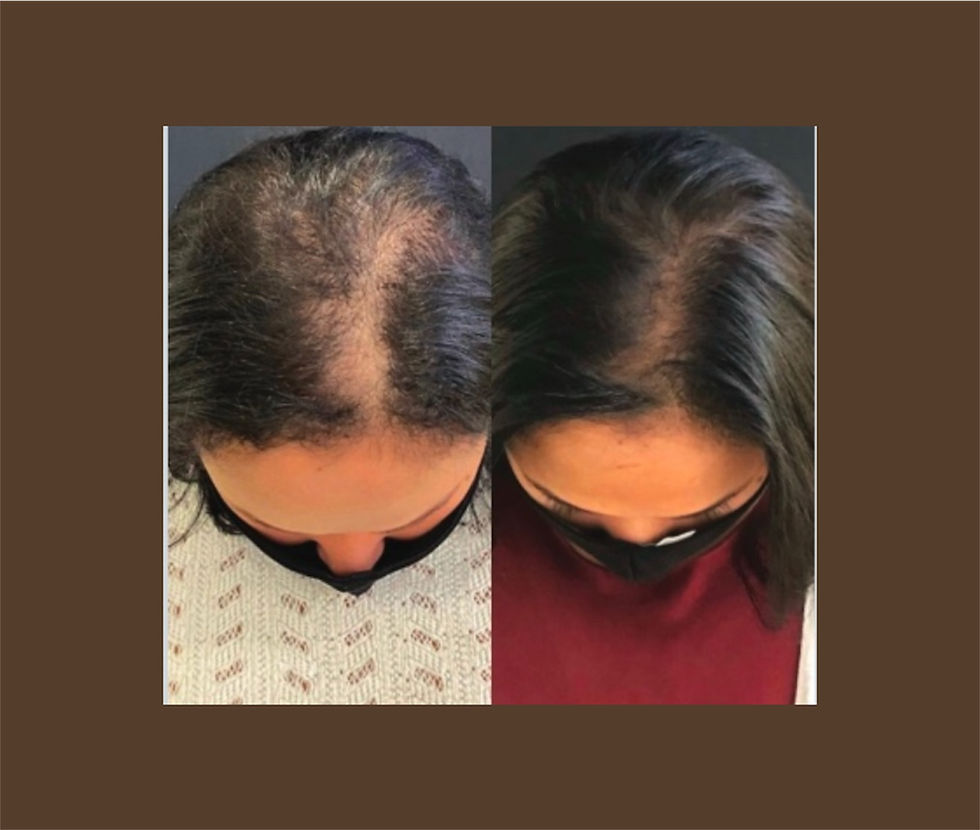
Treatment Benefits
Improved Hair Density: Revitalizes thinning areas by nourishing hair follicles and encouraging new growth.
Increased Hair Thickness: Strengthens existing strands, giving your hair a fuller, healthier appearance.
Enhanced Scalp Health: Promotes a balanced scalp environment to support long-term hair regrowth.


Why Choose Mesotherapy at Men's Den, Inc.?
Advanced Technology: We use Toskani Med Exceed device to deliver the right nutrients directly where they are needed.
Customized Solutions: Each treatment is tailored to your unique hair restoration goals.
Professional Expertise: Our trained specialists provide safe, effective care in a relaxing environment.
Questions and Answers
Does hair mesotherapy hurt?
Mesotherapy for hair loss is generally well-tolerated and involves minimal discomfort. The use of specialized devices may cause a slight tingling or pricking sensation, but most clients describe the experience as extremely manageable.
Who is hair loss mesotherapy not suitable for?
Mesotherapy for hair loss is not suitable for individuals who:
Have Scalp Infections or Skin Conditions: Active infections, psoriasis, or eczema on the scalp can interfere with treatment and increase the risk of complications.
Are Pregnant or Breastfeeding: Due to the lack of sufficient studies on the safety of mesotherapy during pregnancy or lactation, it is generally avoided.
Have Severe Allergies or Sensitivities: Individuals with allergies to the ingredients in the mesotherapy solution should avoid the treatment.
Suffer from Certain Medical Conditions: People with autoimmune disorders, uncontrolled diabetes, or blood clotting issues should consult their doctor before considering mesotherapy.
How long does mesotherapy last for hair loss?
The effects of mesotherapy for hair loss are long-lasting but may require maintenance sessions to sustain optimal results. The duration of the benefits depends on individual factors such as the type of hair loss, the treatment plan, and the ongoing care provided to the scalp.
For individuals with genetic hair loss, managing DHT (dihydrotestosterone) production is crucial. DHT is a hormone that gradually shrinks hair follicles, leading to thinning and eventual hair loss.
While mesotherapy stimulates and nourishes the hair follicles, combining it with treatments or products that reduce DHT can enhance the results by addressing the underlying cause of genetic hair loss and supporting long-term scalp health.
Conclusion
Mesotherapy for hair loss is a highly effective and minimally invasive solution for those seeking to combat hair loss and achieve denser, thicker, and healthier hair.
At Men’s Den, Inc., we utilize the advanced Toskani Med Exceed device, which ensures precise delivery of our specialized HCPR and Hair Cocktail Plus formulations directly to the hair follicles.
Exceed hair mesotherapy, combined with the cutting-edge Alma TED technology for hair loss, create a powerful synergy that promotes hair density, thickness, and overall scalp health.
By addressing hair loss from multiple angles, this combination offers excellent results for those looking to improve hair density and boost their confidence.
If you’re ready to explore how mesotherapy and Alma TED can work for you, we invite you to schedule a free consultation with our hair restoration specialists today.
We would be proud to help you take the first step toward achieving the hair you’ve always wanted.

Comments